Table of Contents
1. Introduction
Selling a property in Spain is a process of great financial and legal importance that requires detailed planning to ensure the transaction’s success. The current real estate market demands not only a property in optimal condition, but also seamless document management and a thorough understanding of current tax obligations.
This guide has been designed to accompany the seller at every stage of the journey providing a clear vision on how to prepare the property, set a competitive price based on market reality, and safely navigate the legal process of buying and selling before a notary.
Throughout the following sections, the essential steps to transform a sales intention into a secure, transparent, and efficient transaction will be detailed.
2. Property Preparation and Documentation
The initial phase of the sale requires meticulously organizing all the property’s legal documentation to avoid potential delays. It is also essential to renovate the property using aesthetic improvement techniques that will increase its perceived value and expedite the sales process.
2.1. Mandatory and Necessary Documentation
It is crucial to gather all the legal documents detailed below before starting the sale of a property:
- Public Deed of Sale: Demonstrates ownership of the property.
- Land Registry Extract (Nota simple): It proves who the owner is and if there are any encumbrances (mortgages, liens).
- Energy Efficiency Certificate (EEC): Mandatory for any property that is put up for sale or rent.
- Habitability Certificate (First or Second Occupancy License): Certifies that the dwelling meets the minimum habitability conditions.
- Council/ Real Estate Tax (IBI): Proves that the owner is up to date with payments.
- Certificate from the Community of Owners: It certifies that there are no outstanding debts with the community.
- Mortgage Zero Debt Certificate: If the property is mortgaged, this document is required before signing at the notary’s office.
2.2. Home Staging
Home staging techniques, such as those mentioned below, can increase perceived value and accelerate sales:
- Depersonalization of spaces: Remove family photographs, religious objects, personal collections, or trophies so that the potential buyer can envision themselves living in the house.
- Deep cleaning and tidying: Make sure all rooms are spotless, especially bathrooms and kitchen, and keep the property tidy for each visit.
- Minor repairs: Fix stuck blinds, leaky faucets, loose tiles, or chipped paint; these details influence the perceived value.
- Lighting optimization: Open blinds and curtains to let in natural light and make sure all fixtures are working, preferably using warm light to create a cozy atmosphere.
- Neutrality in decoration: If you decide to paint, use neutral colours such as white or beige, as they provide brightness and a feeling of spaciousness.
- Odor elimination: Ventilate the house well before visitors and use soft or neutral fragrances to create a feeling of freshness.
3. Valuation and Price Setting
Determining the true value of a property is one of the most critical steps to ensure a successful sale and prevent the property from remaining stagnant on the market. To achieve this, it is essential to conduct an objective analysis that combines the study of similar (comparable) properties in the same area with professional valuation methods that lend rigor to the pricing strategy.
3.1. Market Research
Market research is the process of analysing the current real estate market to position your property within a competitive price range. This analysis should focus on the following aspects:
- Identification of “Comparables”: It consists of locating at least 5 or 10 properties in the same area that have similar characteristics to yours (square meters, number of rooms, state of conservation and services such as elevator or garage).
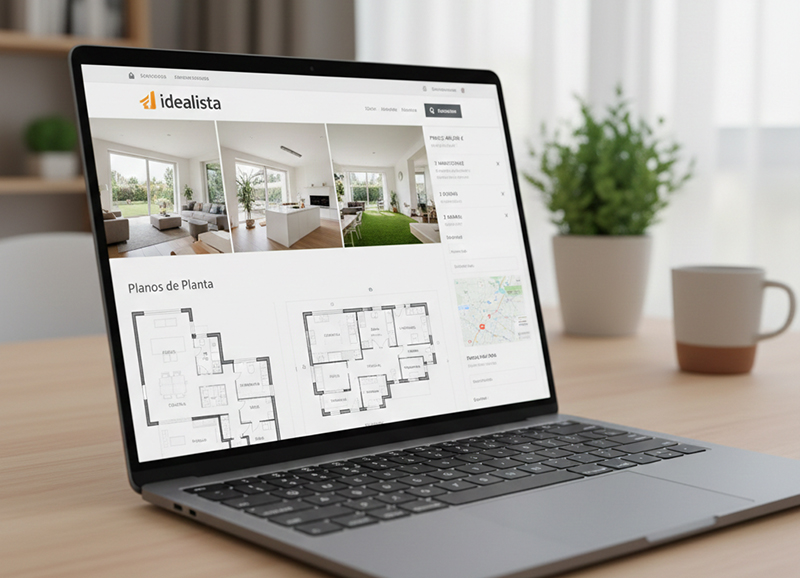
- Analysis of Real Estate Portals: It’s helpful to check websites like Idealista or Fotocasa to see the asking price of similar properties. However, keep in mind that the listed price is usually higher than the final sale price.
- Zone Trends: It should be investigated whether the neighbourhood is appreciating in value or if there is an oversupply of similar homes, which will directly affect how long the property will remain on the market.
- Value Differentiation: It is necessary to adjust the price according to the extras that the property has, such as recent renovations, unobstructed views, solar orientation or superior energy efficiency.
Conducting this study helps avoid the common mistake of setting a price based solely on sentimental value. A price that’s out of sync with the market can “burn” the property, causing it to lose appeal to potential buyers.
3.2. Valuation Methods
To obtain a real and professional value, there are two main paths that provide security to both the seller and the buyer:
- Official Appraisal: It is a legal document certified by an appraisal company approved by the Bank of Spain. It is essential if the buyer requires mortgage financing for the purchase.
- Real Estate Valuation: This is a market analysis conducted by a real estate agent who is an expert in the local market. This professional provides a strategic perspective based on current supply and demand.
3.3. Pricing Strategy
Once the valuation has been obtained, it is necessary to define the market entry price based on strategic criteria:
- Setting a competitive price: Setting an initial price in line with the market is vital, as an excessively high price can stall the sale and cause the property to lose interest over time.
- Negotiation margin: It is recommended to set the price considering a small margin for negotiation with potential buyers.
Risks of low prices: A price significantly lower than the market value can generate distrust about the condition of the property or represent an unjustified loss of asset value.
4. Marketing and Promotion Strategies
Once the property is ready and the price is set, the next step is to capture the attention of potential buyers through an impeccable presentation and strategic marketing.
4.1. Professional Property Photography and/or Video Tour
First impressions are crucial, as most buyers filter their options online.
- Professional Photography: It is recommended to hire a professional to obtain high-quality images that highlight the property’s strengths.
- Floor Plans: Including detailed floor plans helps the buyer understand the layout and possibilities of the space.
- Immersive Content: Whenever possible, virtual tours or videos should be incorporated to offer a more complete experience before the physical visit.
4.2. Listing and Advertising
To maximize sales opportunities, the property needs to be visible where buyers are.
- Real Estate Portals: The advertisement must be published on leading industry platforms, such as Idealista or Fotocasa.
- Social networks: Use additional digital channels to increase the reach of the ad.
4.3. Real Estate Agent
The seller must decide whether to handle the transaction personally or delegate it to a professional.
- Experience and Portfolio: An agent provides market knowledge and access to a database of interested customers.
- Operational Management: The professional is responsible for filtering interested parties and coordinating visits, saving the seller time.
5. Visit Management and Offer Negotiation
Once the property is on the market, the goal is to transform the interest of potential buyers into a firm and secure offer.
5.1. Organization of Visits
The impression made during the physical visit is usually the deciding factor for the purchase.
- Space preparation: It is essential to keep the property clean and tidy for each visit.
- Availability and attention: You should be flexible with schedules and prepared to answer detailed questions about the property’s features and condition.
5.2. Negotiation of Offers
Receiving an offer is a success, but it should be carefully analysed before accepting. Evaluate offers not only based on price, but also on payment terms (cash or mortgage) and the proposed delivery timeframe.
5.3. Deposit or Reservation Agreement (Arras)
It is the preliminary and binding step to the signing of the deed.
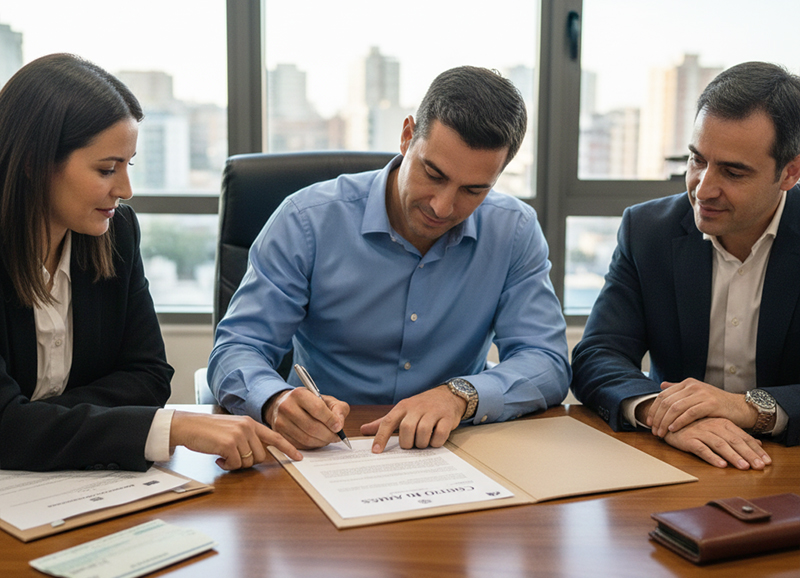
- Formalization of the commitment: Once the offer is accepted, the Deposit Agreement or Reservation Contract is signed.
- Security deposit: In this document, the buyer delivers a sum of money, which normally amounts to 10% of the total price, to secure the transaction on a future agreed date.
6. Legal Process of Purchase and Sale
Once the negotiation phase is over and the Deposit/Reservation Contract is signed, the final stage begins where the transfer of ownership is formalized with full legal validity.
6.1. Preparation of the Public Deed
Before the signing day, the necessary administrative procedures are carried out to ensure that the transaction is legal and transparent:
- Notary’s intervention: The notary is the professional responsible for verifying the legality of the property and for drafting the Public Deed of Sale.
- Load verification: It is checked that the property is free of debts or that these are cancelled at the time of the transaction.
6.2. Signing at the Notary’s Office
It is the official act where the sale transaction is finalized:
- Transfer of ownership: At this moment the official change of ownership from seller to buyer takes place.
- Final payment: The seller receives the remaining amount of the previously agreed price, after deducting the amount already paid as a deposit.
- Key handover: The seller physically hands over the property to the new owner.
7. Taxes and Expenses Associated with the Sale
After the signing of the deed, the seller must assume a series of tax obligations and costs arising from the transfer of the property.
7.1. Local Capital Gains Tax (Plusvalía Municipal)
This tax is local in scope and taxes the profit obtained from the increase in the value of the urban land where the house is located. According to the legal updates in 2021, the following points are essential:
- Non-liability in case of loss: If the property is sold for less than its original purchase price (selling at a loss), the seller is exempt from paying this tax.
- Calculation methods: Taxpayers can now choose between two calculation methods (the “Objective Method” or the “Real Value Method”), selecting the one that is most financially advantageous.
- Deadline: The tax must be filed and paid within 30 business days from the date of the sale.
- Management: The payment must be made directly to the town hall of the municipality where the property is located.
7.2. Non-Resident Income Tax (IRNR) and the 3% Withholding Tax
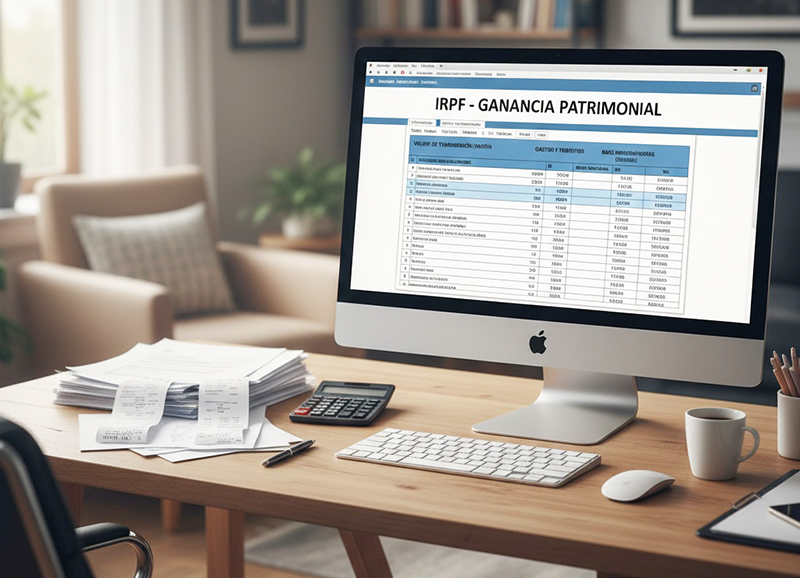
The seller must declare the transaction as a capital gain in their next tax return. This gain is taxed on the positive difference between the transfer value (sale price) and the acquisition value (original purchase price), after applying the corresponding expenses and taxes.
If the seller is a tax non-resident in Spain, the tax procedure differs from that of residents. The most critical point to consider is the 3% withholding tax.
- The 3% Withholding: At the time of signing the public deed, the buyer is legally bank-obligated to withhold 3% of the total agreed purchase price. This amount is not paid to the seller but is instead deposited by the buyer into the Spanish Tax Agency (AEAT) on the seller’s behalf.
- Purpose: This payment acts as an advance payment (tax credit) against the potential Capital Gains Tax arising from the sale.
- Capital Gains Calculation: Non-residents are generally taxed at a flat rate (currently 19% for EU/EEA residents and 24% for others) on the profit made from the sale.
- Tax Refund: If the 3% withheld exceeds the actual tax due on the profit (or if the sale resulted in a loss), the seller is entitled to claim a refund of the difference from the Tax Agency. However, if the tax due is higher than the 3% withheld, the seller must pay the remaining balance.
- Deadline: The tax return (Form 210) must be filed within four months following the date of the sale.
Note: Tax rates and exemptions are subject to current tax regulations and potential legislative changes at the time of transmission.
7.3. Other Expenses
In addition to taxes, there are other expenses that may be incurred by the seller:
- Mortgage cancellation: If the property has an existing mortgage, the seller must cover the administrative and registration costs for its cancellation.
- Professional fees: Includes the services of the real estate agency if one has been hired for mediation.
- Notary and administrative fees: Although they are usually paid by the buyer, the seller may assume a part according to the prior agreement reached between the parties.
8. Key Tips for a Successful Sale
To ensure the transaction runs smoothly and both parties are satisfied, it is essential to follow these strategic recommendations:
- Transparency: Be honest and clear about the true condition of the property. Hiding hidden defects or flaws can lead to legal problems after the sale.
- Professionalism: Consider hiring a lawyer like Dr. Jens Gerl or an experienced real estate agent to handle all the paperwork. This ensures that all procedures comply with current regulations.
- Flexibility: Be open to negotiation, not only regarding the final price, but also the delivery times and the terms of the transaction.
9. Final Steps
Once the signing before a notary has been successfully completed, the sales process does not end immediately. The seller must carry out the following administrative procedures to finalize the closing:
- Change of ownership of supplies: It is the seller’s responsibility to ensure that the ownership of the water, electricity, and gas contracts is changed to the name of the new owner to avoid future charges.
- Notification to the City Council: The change of ownership of the Property Tax (IBI) must be reported to the corresponding town hall.
- Tax management: The seller must proceed with the settlement of the Local Capital Gains Tax and prepare the information for their next Personal Income Tax return.
10. Conclusion
Selling a property in Spain is a process that requires meticulous preparation and a clear understanding of the legal, marketing, and tax steps involved. From gathering the required documentation (such as the Energy Performance Certificate and the Land Registry Extract / Nota Simple) and optimizing the property using techniques like home staging, to accurate valuation and the execution of an effective marketing strategy, every stage is crucial for success.
The formalization of the sale begins with the signing of the Deposit/Reservation Contract and culminates with the signing before a Notary Public, where the transfer of ownership and the handover of the keys take place. Finally, the seller must handle the associated taxes (such as the Local Capital Gains Tax and Personal Income Tax on the capital gain) and the change of utility ownership. Having professional advice, such as that offered by Firmalex, and maintaining transparency are key to ensuring a smooth and successful transaction.
11. Bibliographic References
- Spanish Tax Agency (AEAT). Law 35/2006, of November 28, on Personal Income Tax.
- Directorate General of Registries and Notaries. Mortgage Regulations.
- Government of Spain. Law Regulating Local Finances. Royal Legislative Decree 2/2004, of March 5 (Regulates the Tax on the Increase in Value of Urban Land or Local Capital Gains Tax).
- Ministry for Ecological Transition and the Demographic Challenge. Royal Decree 390/2021, of June 1, approving the basic procedure for the energy efficiency certification of buildings.
12. Firmalex Contact
FIRMALEX is your trusted real estate consultancy in Dénia and Valencia. We offer comprehensive professional service and complete real estate advice for buying and selling properties throughout Spain.
Our staff speak fluent Spanish, Valencian, English and German, allowing you to communicate with us in your own language and resolve your queries with complete clarity.
Our offices:
- Dénia: Plaza del Convento, 6 – Mezzanine, door B
- Valencia: Calle Creu Roja, 1 – Block 6, 1st floor, door 10 (by appointment only)
Contact information: