
 English
 Español
 Deutsch
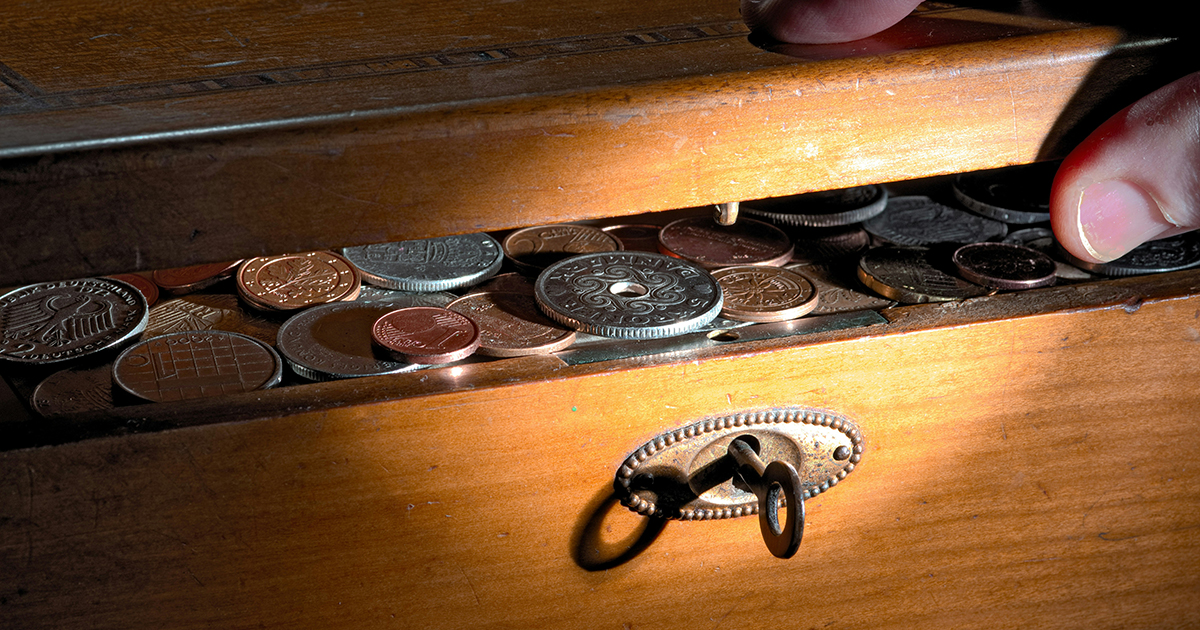
When a person passes away and leaves behind an inheritance, it is important to distribute it properly to avoid legal issues and conflicts between the heirs.
How inheritance is distributed according to hierarchy
At the time of succession, the Law establishes certain rules to determine the order of inheritance in cases where there is no will or to decide which part is allocated to the legitimate share.
In addition, it is important to know who can inherit and what their rights are in the distribution.
How inheritance is distributed without a will among legal heirs
When the deceased passed away intestate, the provisions of the law must be taken into account to determine the heirs following the established order.
The distribution of the inheritance can be done by agreement between the heirs or through a judicial process, if there is no agreement.
The succession should follow the following order:
- Children and descendants. They inherit equally, with the possibility of grandchildren replacing their parents.
- Parents or ancestors. In the absence of children, they inherit in equal parts.
- Widowed spouse: As long as they are not legally separated, they are entitled to inheritance.
- Siblings and nephews. If none of the above heirs exist, siblings inherit equally per capita, and nephews inherit per stirpes.
- Blood uncles.
- Other collateral relatives up to the fourth degree. They inherit equally.
- The State. If none of the above heirs exist, the State inherits everything.
How inheritance is distributed with a will between heirs and legatees
If the deceased has made a will, the distribution is made based on what the deceased has established in this document, provided that the legal regulations have been complied with.
Third of the legitimate share
The legitimate share constitutes 33% of the inheritance, which is distributed equally according to the established hierarchy.
It follows a fixed order, starting with the children and other descendants. If there are no children, the share is inherited by the grandchildren.
If the deceased had a spouse, he or she is entitled to half of the value of the joint property and the usufruct of one third of the inheritance.
In the event that there are no children or grandchildren, the inheritance passes to the parents and other ascendants, giving the spouse the usufruct of half. This applies unless there are no ascendants, in which case the spouse receives the full half.
As we have seen, if none of the previous heirs exist, the inheritance will be received by siblings, nephews, uncles and, if there are none, the State.
Third for improvement (Tercio de mejora)
This third belongs to the heirs voluntarily designated by the testator. Therefore, the distribution is made according to the free choice of the deceased, who determines the proportion or the assets that each heir will receive.
In the absence of will, the third for improvement is allocated to the forced heirs and becomes part of the legitimate share, which is then distributed according to the order established by law.
Third of free disposal
As its name suggests, the third of free disposal is distributed according to the testator’s wishes. It is important to know that this part of the inheritance is the only one that can be assigned to any person or entity, without following the legal order.
If no heir or legatee is specified for the distribution of this third, it is incorporated into the legitimate share to be distributed as explained in the previous points.
Steps to follow to divide an inheritance equally
If you want to make a fair distribution of the inheritance, there are several steps to follow to ensure it is equitable.
1. Appraise the assets
To know how to divide an inheritance, you must first know how much the assets that comprise it are worth.
It is best to request a professional appraisal, avoiding misunderstandings and disputes between heirs.
2. Divide the inheritance
Once the assets that make up the inheritance have been valued, the amount and type of assets to be distributed must be taken into account. There may be properties or financial assets.
The inheritance is divided and the types of assets are classified to make the process simpler.
3. Assign percentages
The best way to distribute assets is to establish percentages so that the legal inheritance process is carried out in a more effective way.
Involving expert professionals in the process helps ensure that the shares assigned are equitable for each heir. When it comes to properly distributing inheritance, it is important to keep in mind that the law establishes a hierarchy in the distribution, which begins with the children and ends with the State. There is also a difference between whether there is a will or not when making the distribution. To distribute the inheritance, it is recommended to appraise the assets, divide the inheritance and assign percentages to the assets that make up the inheritance.
Further information
This article is part of our service Inheritance in Spain. Visit this section where you will find all the useful information on this topic, including a complete guide on Inheritance in Spain with a non-resident, expat or foreigner.
Solve your doubts
✅ Our staff speaks perfectly Spanish, Valencian, English and German with what will be able to communicate with us in your own language and thus clearly resolve your queries.
📍 Denia – Plaza del Convento, 6 – Mezzanine floor door B
📍 Valencia – Calle Creu Roja, 1 – Block 6, Floor 1, door 10 (* only by appointment)
✉📞 Contact: info@firmalex.com – Tel. +34 966 421 416 – Whatsapp +34 622 497 615